What is aphasia?
Aphasia is a language disorder caused by damage to the brain's language areas — most commonly from a stroke. It affects a person's ability to speak, understand speech, read, and write. Aphasia doesn't affect intelligence. The person knows what they want to say; the damage affects the pathway between thought and language. This is one of the most important things for families to understand: the person with aphasia is still the same person inside.
Why does stroke cause aphasia?
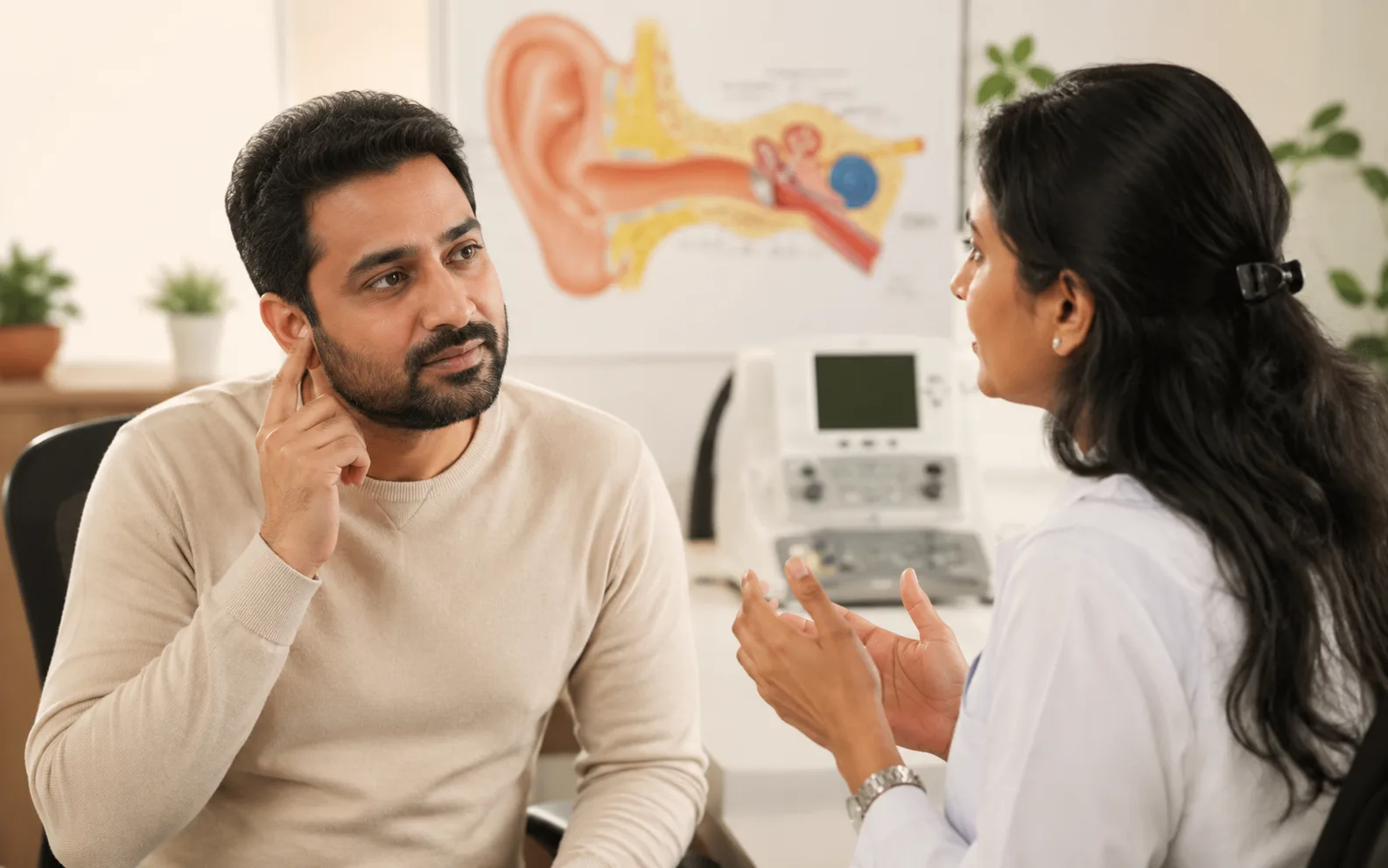
Language processing in most people is concentrated in the left hemisphere of the brain, in areas called Broca's area (for producing speech) and Wernicke's area (for understanding it). A stroke that blocks blood flow to these areas — even briefly — can disrupt language function significantly. The type of aphasia depends on which area is most affected.
What does recovery look like?
Recovery from aphasia happens through two mechanisms: natural brain healing in the weeks after stroke (called spontaneous recovery), and neuroplasticity — the brain's ability to reorganise itself when consistently stimulated. Spontaneous recovery is most active in the first 3–6 months. Neuroplasticity continues for years. This means structured therapy in the first 3 months can have dramatic results — but starting at 12 months or 2 years also produces meaningful gains. The key is structured, high-frequency therapy, not passive waiting.
What structured neuro speech therapy does
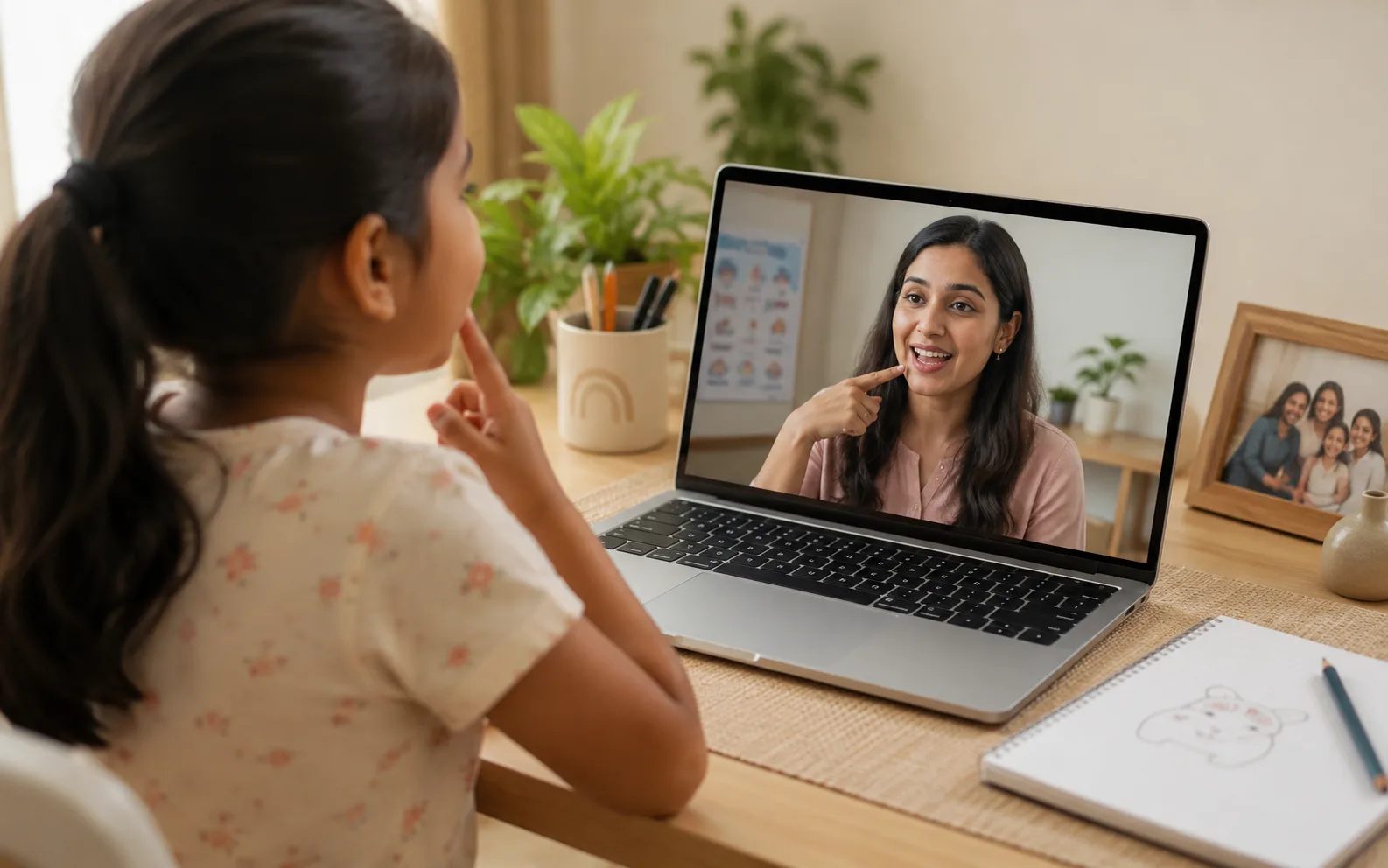
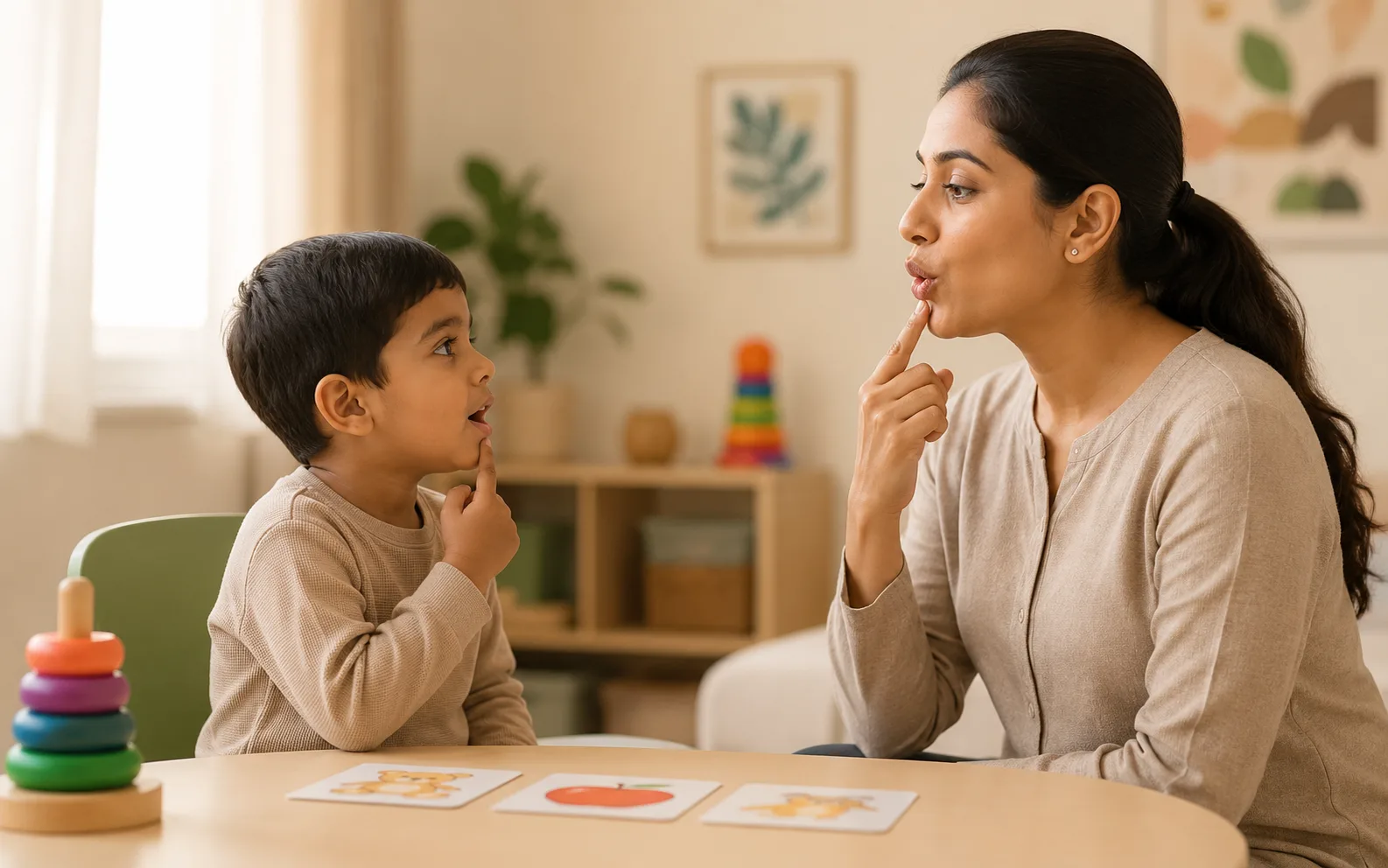
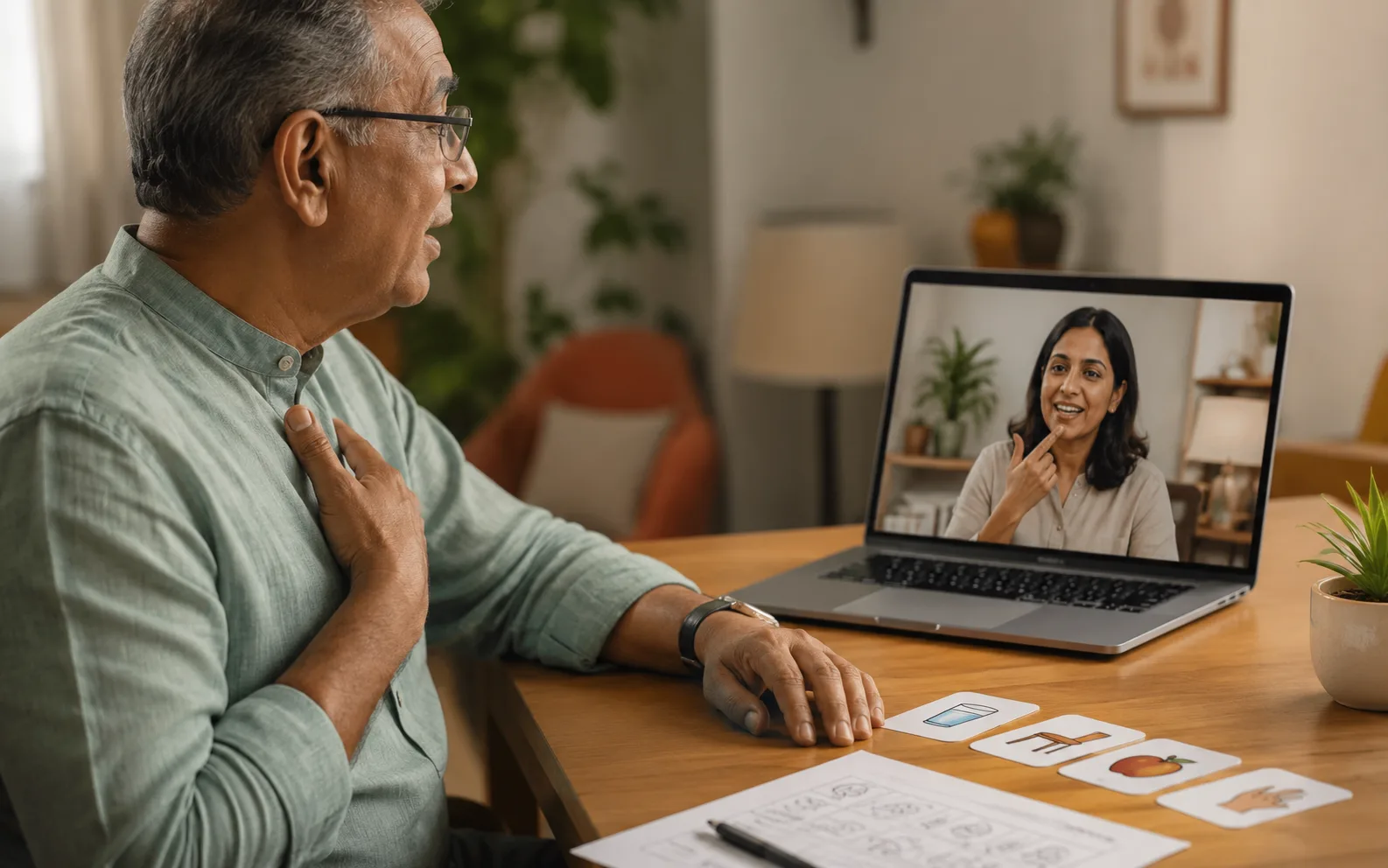
Structured aphasia therapy works by repeatedly stimulating the damaged language network through targeted tasks: word-finding exercises, sentence-building practice, conversation therapy, reading and writing tasks. The intensity matters. Three 45-minute sessions per week produces better outcomes than one session per week at the same total hour count. Online therapy makes high-frequency care practical — sessions can happen from a hospital bed in the early weeks, then from home, without the exhaustion and logistics of transport to a clinic.
Caregiver coaching
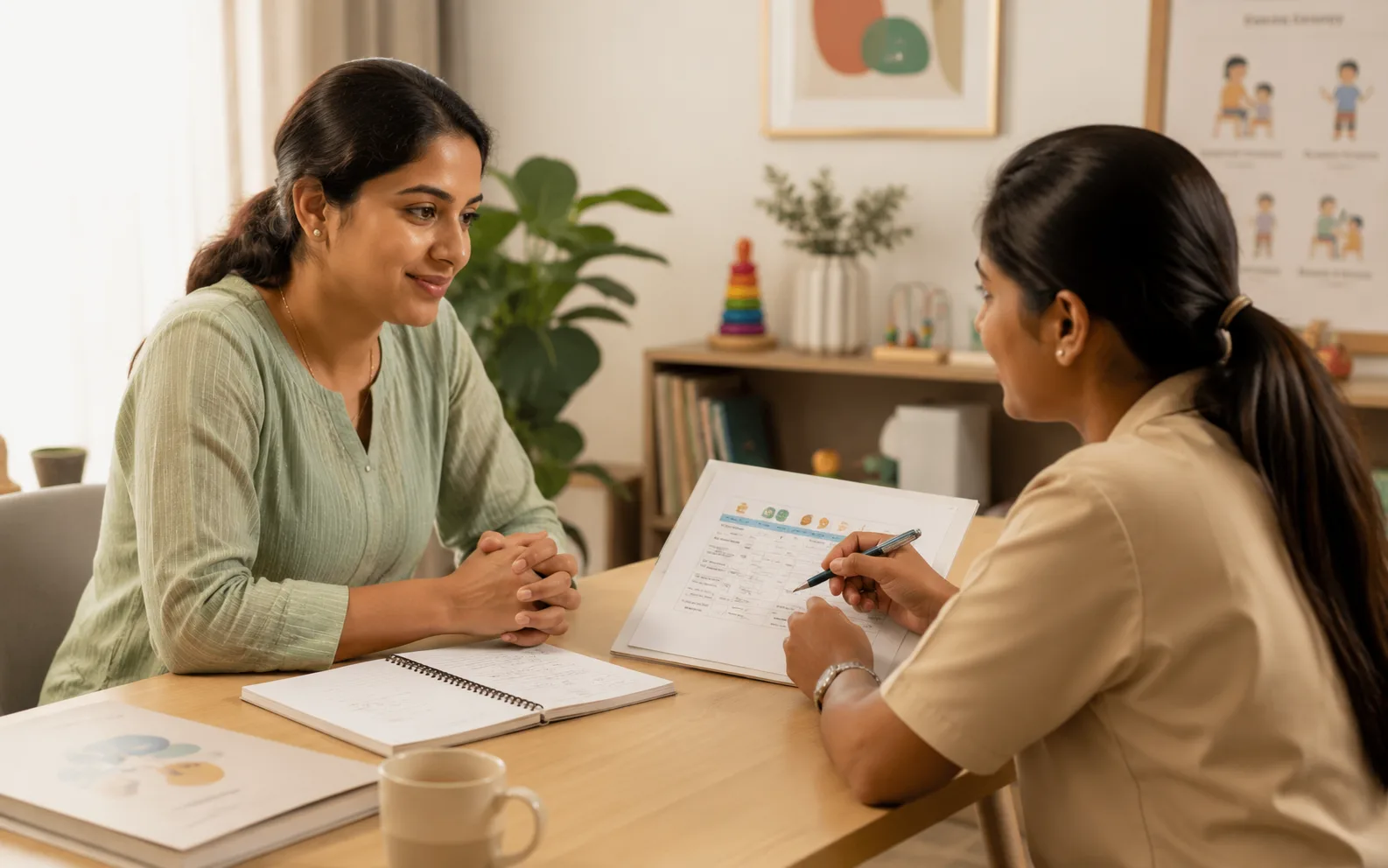
Families and caregivers play a critical role in aphasia recovery. The conversations that happen at home between sessions are where language gets reinforced. A good therapist will spend part of each session coaching the caregiver: how to support communication without doing all the talking, how to give the person with aphasia time and space to find words, and which activities to do at home between sessions.
Online neuro-rehab for aphasia
Online speech therapy for aphasia has strong research support. Screen-based sessions can conduct all the exercises that in-person sessions do. The benefit for Indian families is significant: specialist neuro speech therapists are rare outside major cities, and waitlists at top hospitals in Chennai, Bangalore, and Mumbai often run 2–3 months. Online care starts within days.
Ready to take the next step?
Book a triage call about Aphasia after stroke
Understand what the concern is and what good care looks like — before you commit to anything.
WhatsApp us — triageCommon questions
How soon after stroke should aphasia therapy start?
As soon as the person is medically stable — even from the hospital bed for initial guidance and family coaching. The evidence clearly supports early intervention. Don't wait for discharge.
Will my father ever speak normally again?
Many people with aphasia make significant language recovery with structured therapy. 'Normal' speech isn't always the outcome, but most people make meaningful gains in their ability to communicate — which is what matters most for daily life and quality of life.
Can someone with aphasia use WhatsApp or text?
Often yes — written communication is a different pathway and may be preserved or more easily relearned than spoken language. We often help families set up alternative communication strategies early.
Available across India
And online to every PIN code in India.
This article is for general information and does not replace an individual clinical assessment. Read our full medical disclaimer →